The Complete Guide to Preventative Plumbing Maintenance: Tips, Techniques, and Timelines
By Cedar Park Plumbing

Maintaining your plumbing system is crucial for preserving the integrity of your home and avoiding costly repairs down the line. By implementing a preventative plumbing maintenance routine, you can catch potential issues early, extend the lifespan of your plumbing fixtures, and save money on utility bills. In this comprehensive guide, we’ll cover everything you need to know about preventative plumbing maintenance, including tips, techniques, and recommended timelines.
Importance of Preventative Maintenance:
Preventative maintenance is the key to keeping your plumbing system in top condition. Regular inspections and maintenance checks can help identify small problems before they escalate into major issues, saving you time, money, and stress in the long run.
Key Elements of Preventative Plumbing Maintenance
Focusing on preventative maintenance involves several key activities that every homeowner should perform regularly to ensure their plumbing system remains healthy. These activities include:
- Regular Inspection: Scheduling annual inspections with a professional plumber can unveil hidden issues such as pipe corrosion, slow leaks, or blockages that are not immediately apparent.
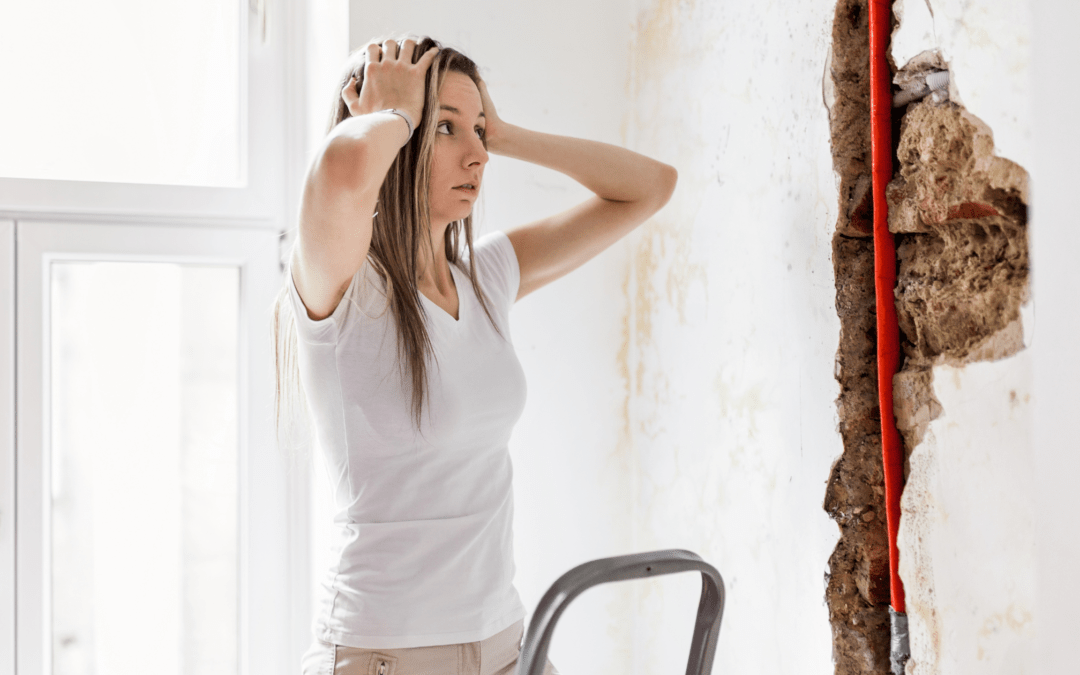
- Leak Detection: Keeping an eye out for any signs of leaks, such as damp spots on walls or floors, a musty smell, or an unexpected increase in water bills, can prevent water damage and mould growth in your home.
- Drain Cleaning: Regularly cleaning your drains and avoiding flushing down materials that could cause blockages, like oils and non-biodegradable products, will keep water flowing smoothly and prevent backups.
- Water Pressure Checks: Monitoring water pressure ensures it’s within a safe range. Too high pressure can strain your pipes and lead to leaks or pipe bursts, whereas low pressure might indicate a leak or blockage in the system.
- Seasonal Preparations: Season-proofing your plumbing system before the winter or summer months can prevent freezing pipes in the colder seasons and reduce pressure on your system during heavy water usage in warm weather.
Comprehensive Maintenance Checklist:
Create a comprehensive checklist of plumbing maintenance tasks to ensure you cover all the essential areas of your plumbing system. Tasks may include inspecting for leaks, cleaning drains, testing water pressure, checking for corrosion, and flushing the water heater.
In addition to the essentials listed above, incorporating a few more detailed checks into your comprehensive plumbing maintenance checklist can significantly enhance the longevity and efficiency of your plumbing system. These additional tasks should include:
- Flushing the Water Heater: Over time, sediment can build up at the bottom of your water heater, reducing its efficiency and lifespan. Flushing out this sediment at least once a year helps maintain its performance and prevent malfunctions.
- Inspecting for Corrosion: Pipes, especially those made of metal, can corrode over time. Regular checks for any signs of corrosion can help you address small issues before they become significant problems, potentially saving substantial costs in repairs or replacements.
- Testing Sump Pumps: If your home is equipped with a sump pump, testing it periodically ensures it’s ready to manage excess water, particularly during heavy rainfalls or snow melts, preventing basement flooding and water damage.
- Checking Appliances: Inspect the hoses and connections of your washing machine, dishwasher, and any other appliance that uses water. Look for signs of wear, leaks, or other damage that could lead to water loss or property damage.
- Outdoor Plumbing: Don’t neglect outdoor faucets, sprinklers, and irrigation systems. Before the onset of cold weather, ensure outdoor pipes are drained and insulated to prevent freezing and bursting. Additionally, inspect these systems for leaks and proper operation at the start of the warm season to ensure efficient water use.
By adhering to this thorough checklist, homeowners can significantly mitigate the risk of plumbing issues, ensuring their system operates smoothly and efficiently year-round.
Scheduling Regular Inspections:
Set a schedule for regular inspections and maintenance checks to stay on top of your plumbing system’s health. Depending on your home’s age, location, and the type of plumbing fixtures you have, you may need inspections annually, bi-annually, or quarterly.
Adhering to a predetermined schedule for inspections and maintenance plays a pivotal role in the longevity and reliability of your home’s plumbing system. It’s not just about preventing emergencies; these regular checks can also enhance the efficiency of your fixtures, potentially reducing your water bill. For instance, identifying and fixing a silently leaking toilet can save gallons of water daily.
Choosing the frequency of inspections depends on several factors. Older homes, for example, might require closer attention due to the susceptibility of aging pipes to corrosion and leaks. Homes in areas with hard water might need more frequent checks on water heaters and pipes to combat mineral buildup. For most homes, an annual inspection can suffice, but properties with complex systems, such as those with water softeners, filtration systems, and high-use appliances like hot tubs, may benefit from a more frequent surveillance—potentially bi-annually.
During these inspections, a professional plumber can spot issues that homeowners might overlook, such as slight changes in water pressure indicating a leak or blockage, signs of wear in internal components, and other inefficiencies. Beyond just keeping your plumbing in peak condition, these regular checks can also offer peace of mind, knowing that your home is protected against preventable water-related damage.
DIY Maintenance Techniques:
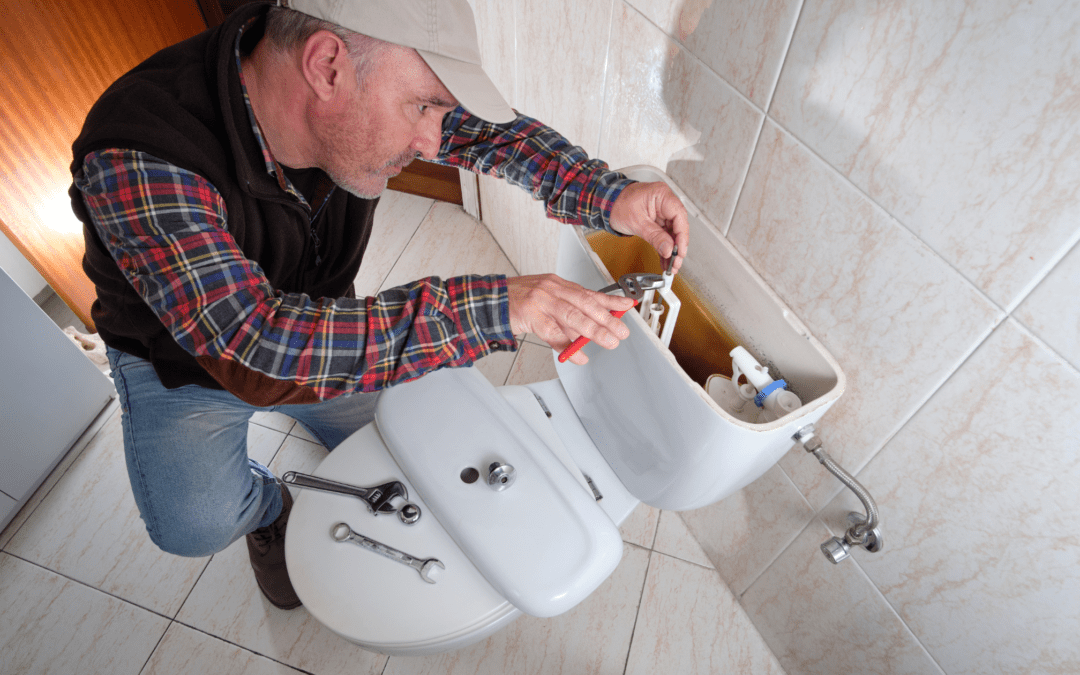
There are several DIY maintenance tasks you can perform to keep your plumbing system running smoothly. These include cleaning sink and shower drains using a plumber’s snake or drain cleaner, inspecting for leaks around faucets and pipes, and testing toilet flushing mechanisms for proper operation.
Role of Professional Plumbers:
While DIY maintenance is essential, some tasks are best left to the professionals. Hiring a licensed plumber for annual inspections and servicing can ensure that your plumbing system receives thorough and expert care. Plumbers can also identify hidden issues that may not be apparent to the untrained eye.
Water Conservation and Utility Cost Savings:
Preventative plumbing maintenance not only helps preserve the integrity of your plumbing system but also contributes to water conservation efforts and reduces utility costs. By fixing leaks, repairing dripping faucets, and maintaining efficient fixtures, you can minimize water waste and lower your monthly water bill.
Common Plumbing Problems:
Many common plumbing problems can be prevented with regular maintenance. These include pipe leaks, clogs in drains and toilets, water heater malfunctions, and corrosion in pipes and fixtures. By addressing these issues early, you can avoid major disruptions and costly repairs.
Long-Term Benefits:
Investing in preventative plumbing maintenance offers numerous long-term benefits. By extending the lifespan of your plumbing system, you can delay the need for costly replacements and upgrades. Additionally, maintaining a well-functioning plumbing system can help preserve the value of your property and enhance its appeal to potential buyers.
Conclusion
Implementing a preventative plumbing maintenance routine is essential for keeping your plumbing system in top condition and avoiding costly repairs. By following the tips and techniques outlined in this guide, you can ensure that your plumbing system remains efficient, reliable, and leak-free for years to come.